DriveCentric

Every conversation.One customer.

A salesperson should be selling cars and building relationships, not wrestling software.

Rendered from the design prototype, with sample data.

My role
Lead Designer
In collaboration
Design Lead + Engineering Team
Timeframe
2013 – 2018

The problem

DriveCentric rebranded overnight, with customers already on the product, and wanted everything rethought.

The decision

Arrange every conversation around one customer.

What shipped

A new brand identity, and the application rebuilt around it: the Sales Pipeline, the Customer Card, and one Conversation thread for every channel.

What changed

A salesperson’s day moved from several tools into one place, arranged around one customer.

What I carry forward

Keep the person at the center and the tools fall into place around them.

A closer look

Four screens from the design lab.

Rendered from the design prototype the product was built from, and the design comps for the iOS app. Sample data; names and faces are invented.

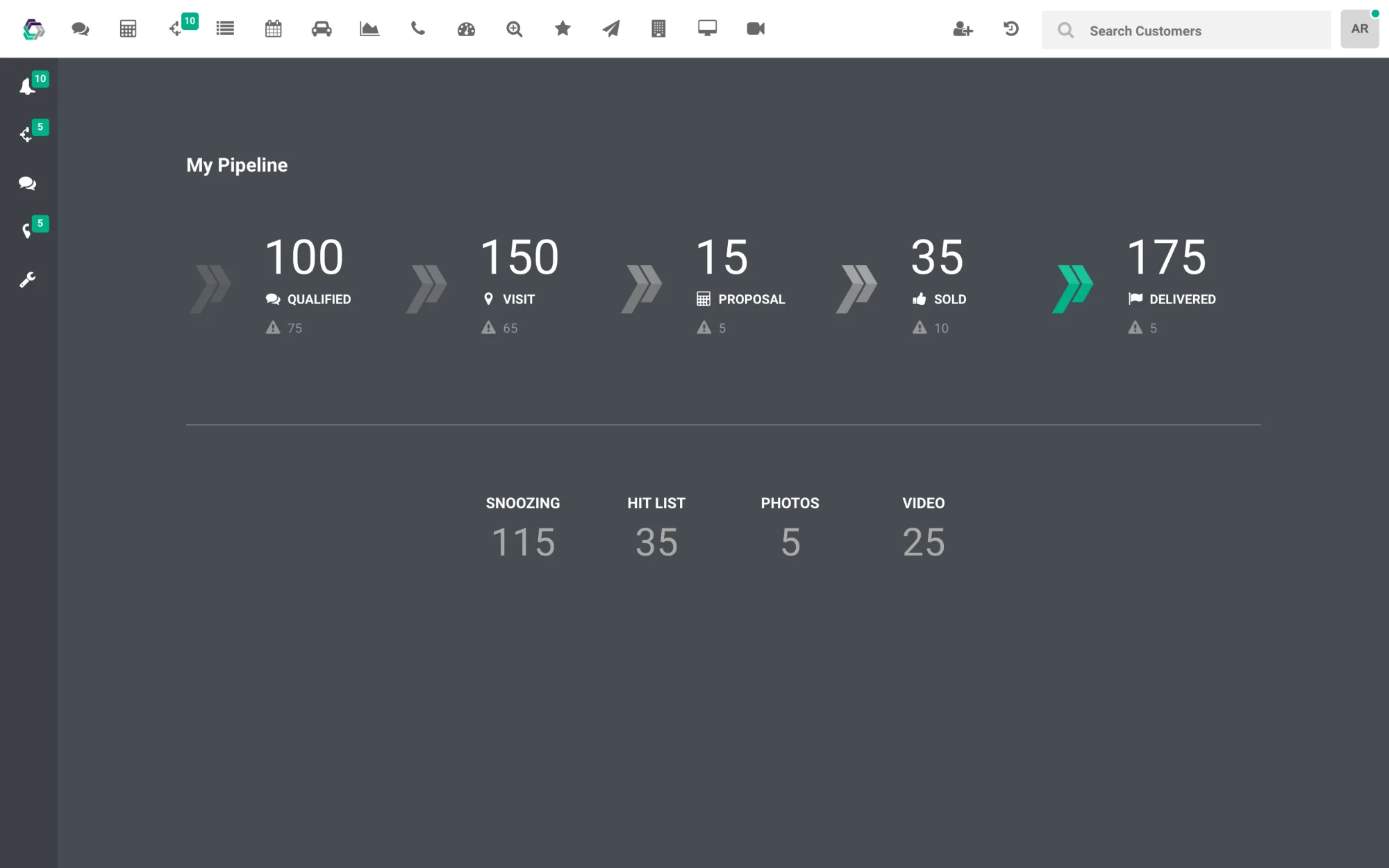
DriveCentric’s home screen: My Pipeline as five stages in a row, Qualified, Visit, Proposal, Sold and Delivered, each with its count and the number needing attention; below, counts for snoozing, hit list, photos and video.

The pipeline

  • One line, five stagesEvery deal on the floor sits somewhere on this line. A salesperson reads the day from left to right.
  • What needs attentionUnder each stage, the count of deals that have gone quiet. The number to act on, not just the total.
  • Everything one click awayConversations, desking, lists, appointments, inventory, reports: the whole day in one bar, the customer search always at hand.
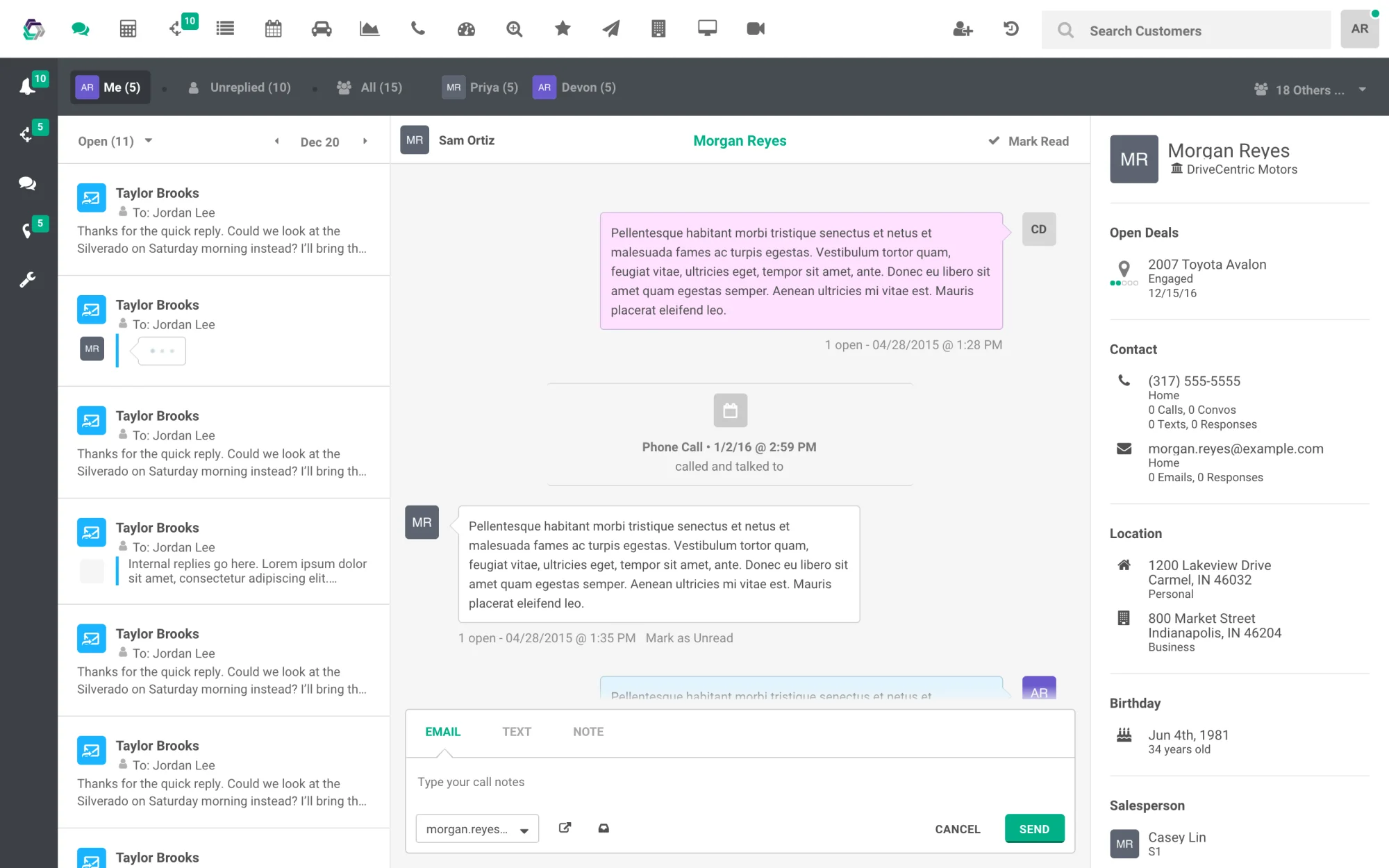
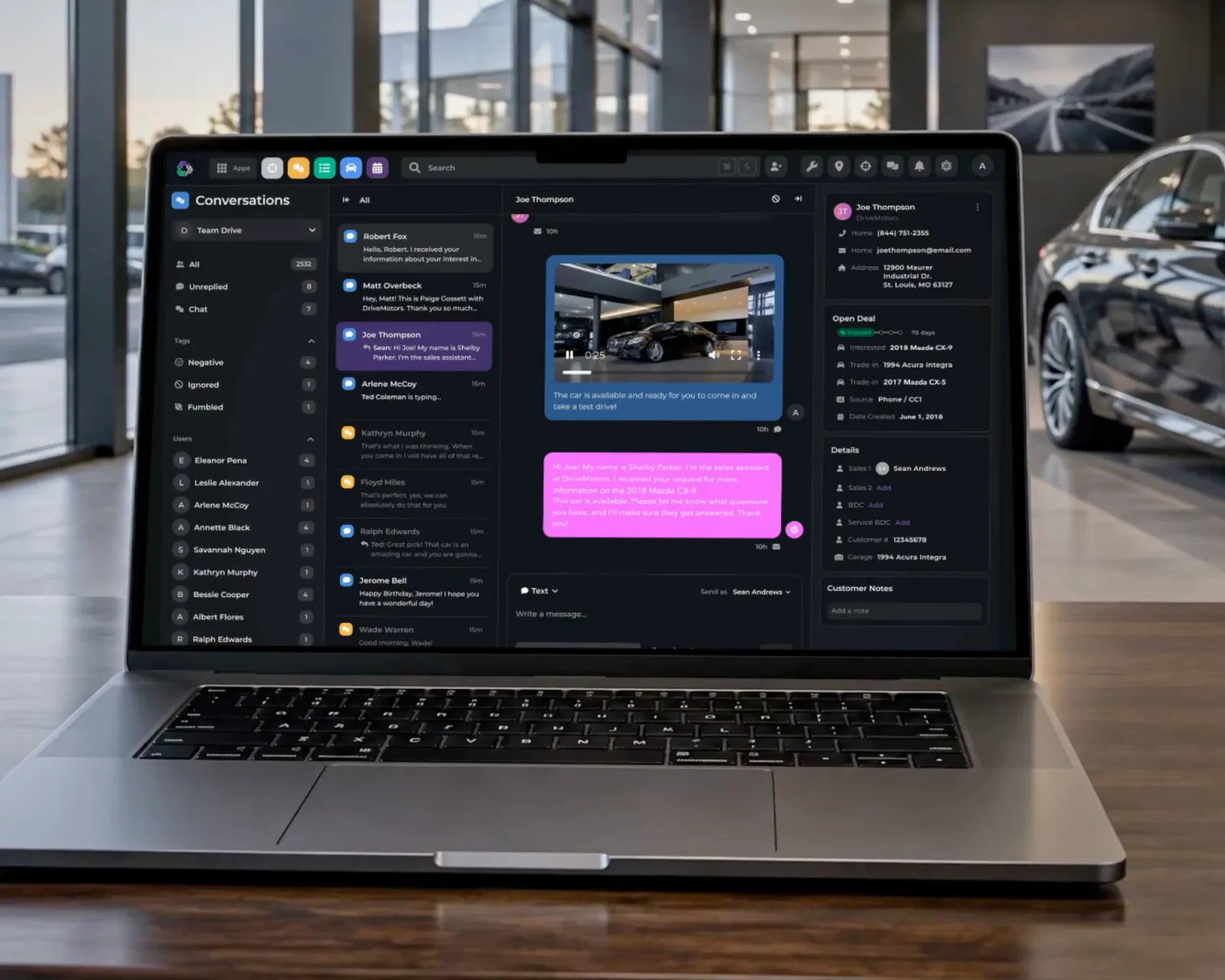
The Conversation screen: a list of open threads on the left, one thread in the middle with email, text and phone-call entries in order, and the customer’s deal, contact details, address, birthday and salesperson on the right.

One conversation

  • Every channel in one threadAn email, a logged phone call and a text sit in one timeline, in the order they happened. Nothing to reconcile.
  • The customer beside the wordsThe open deal, contact history and details stay in view, so a reply is written with the whole picture.
  • Reply in kindEmail, text or note, from the same box, without leaving the thread.
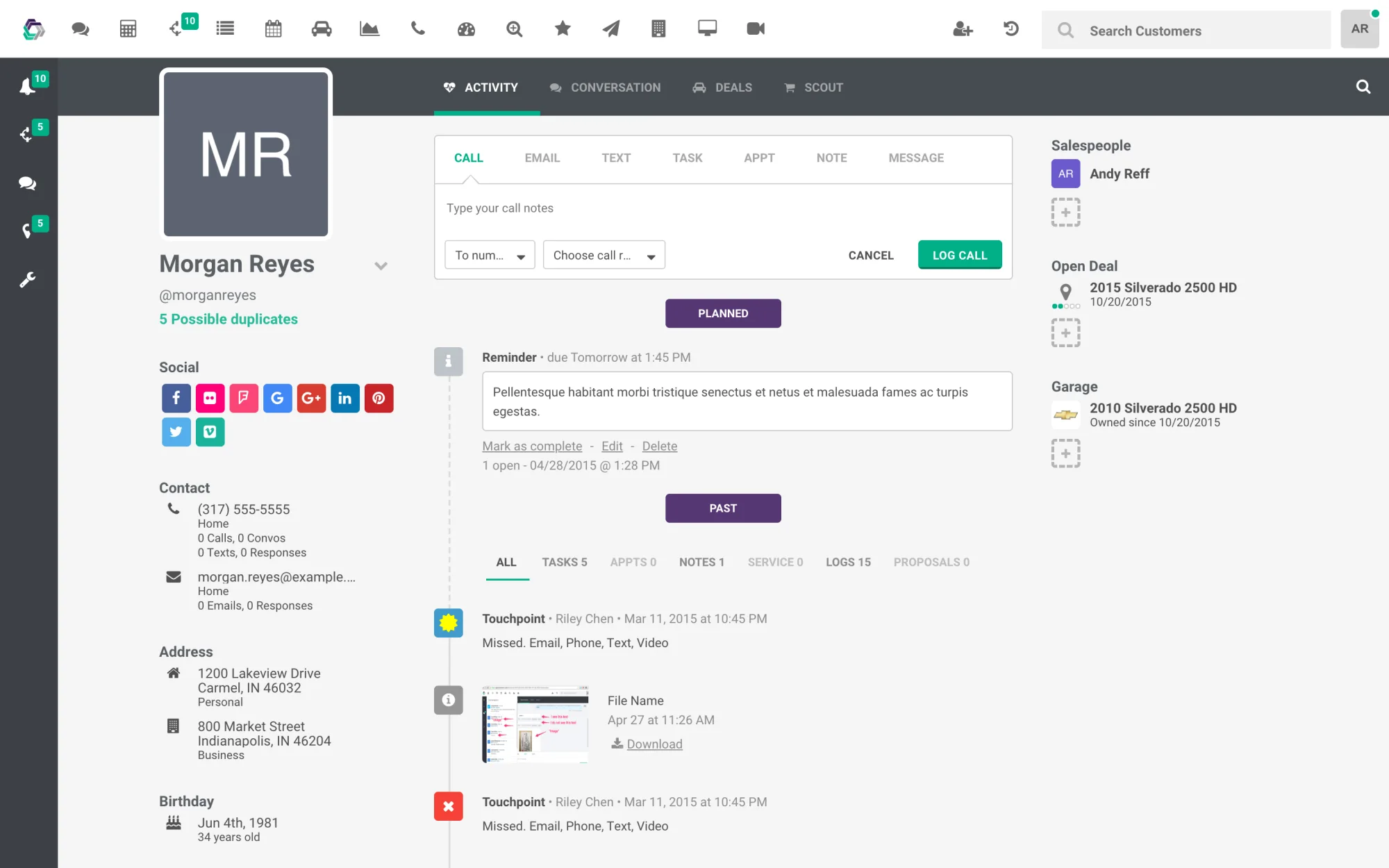
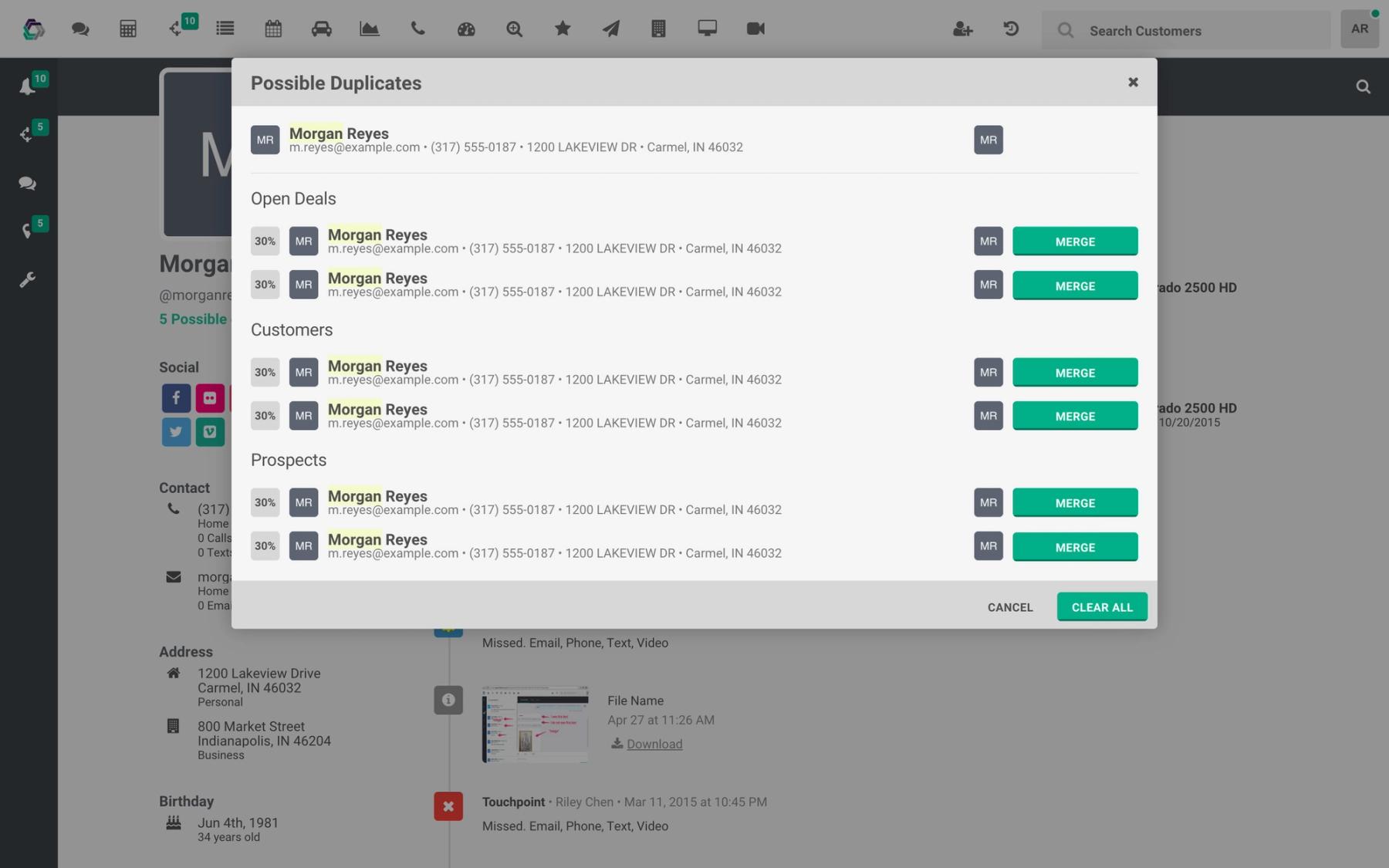
The customer profile: identity, social links, contact and address on the left; an activity timeline in the middle with planned and past touchpoints and a call-logging box; salespeople, the open deal and the garage on the right.

The customer card

  • Log it where it happenedCall, email, text, task, appointment, note: recorded from the top of the card, into the same timeline.
  • Planned above, past belowWhat is due next sits above what has been done, so the next move is never a search.
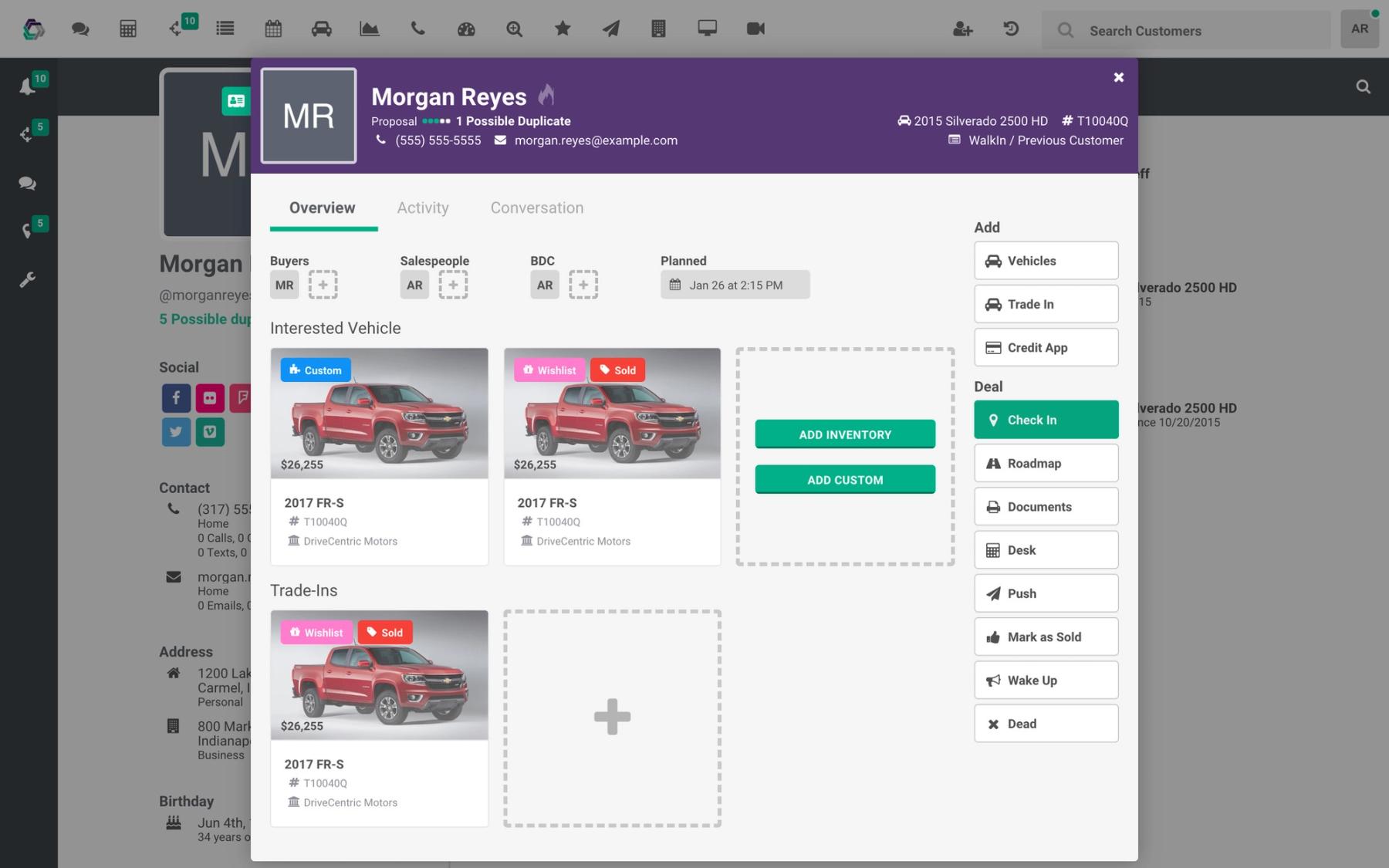
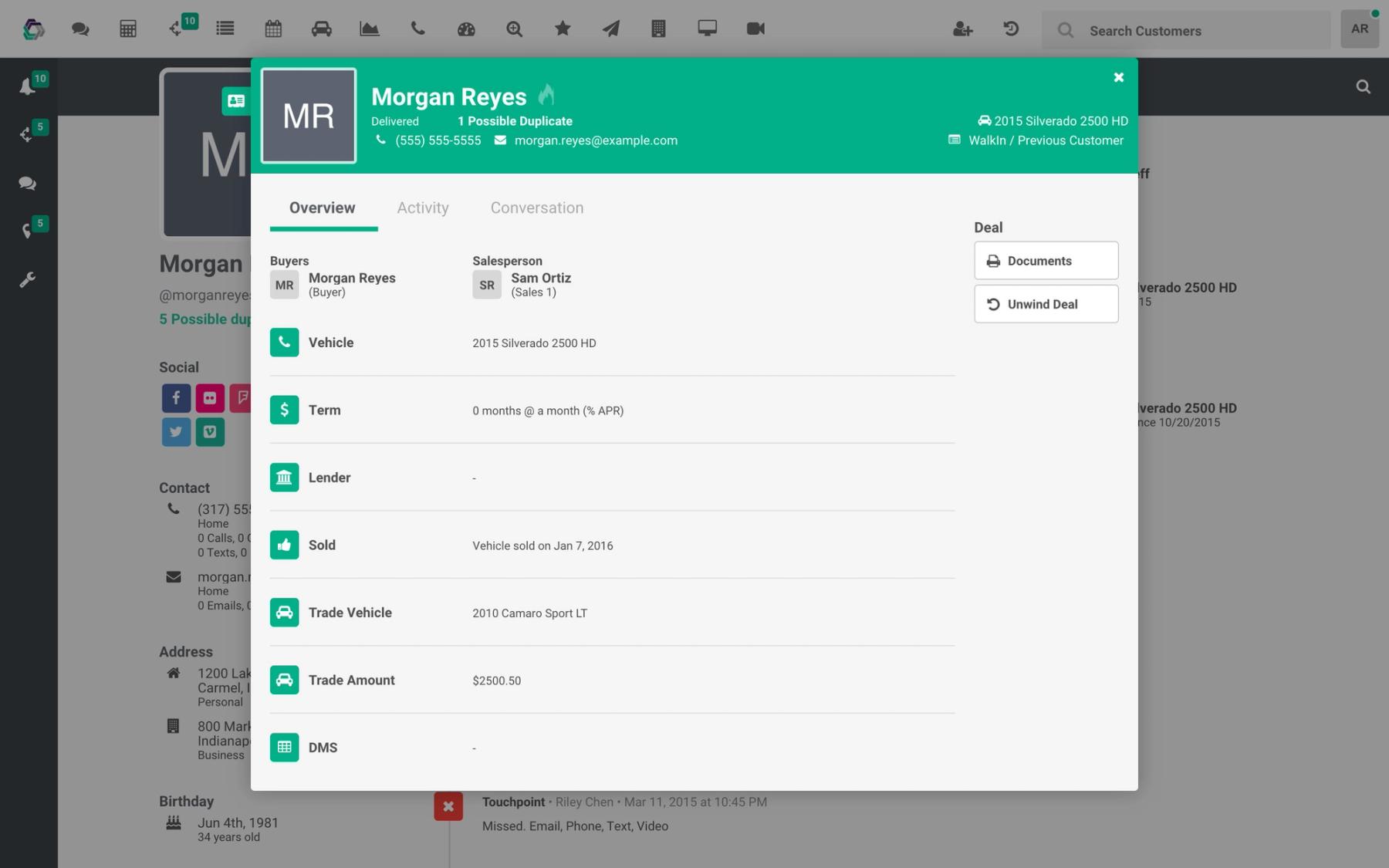
  • The deal and the garageThe open deal and the cars already owned, beside the person, because the next sale usually starts with the last one.
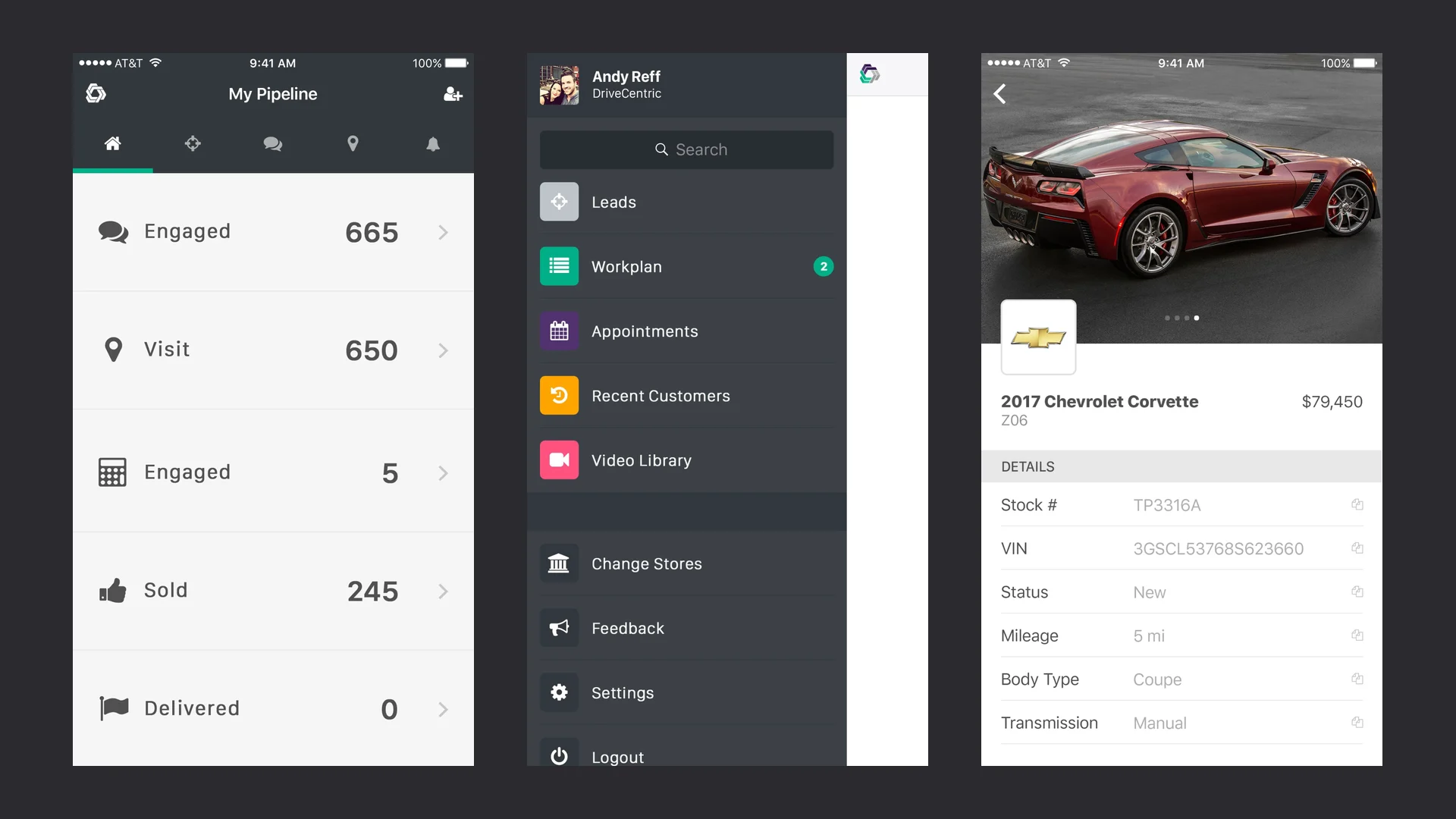
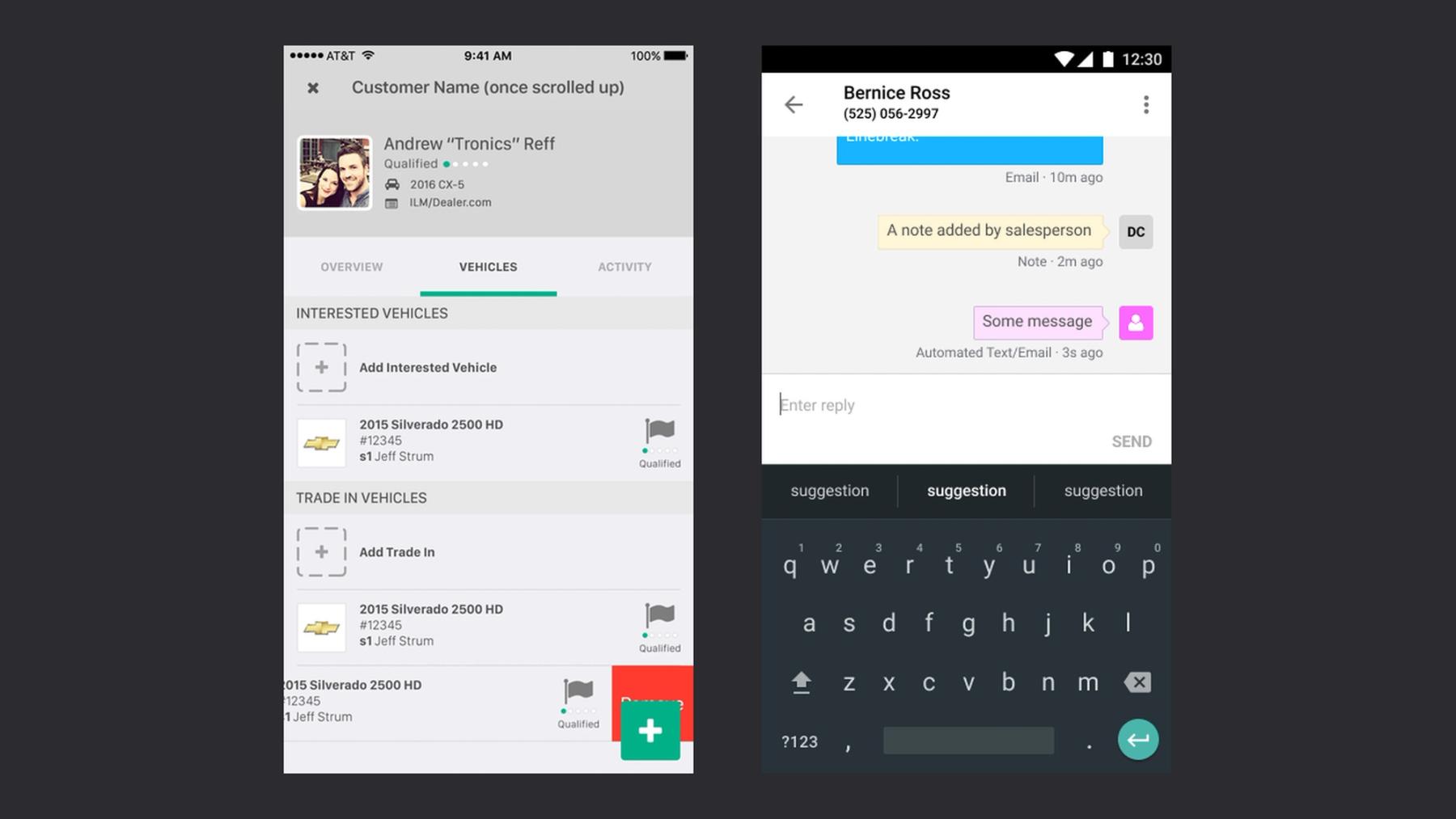
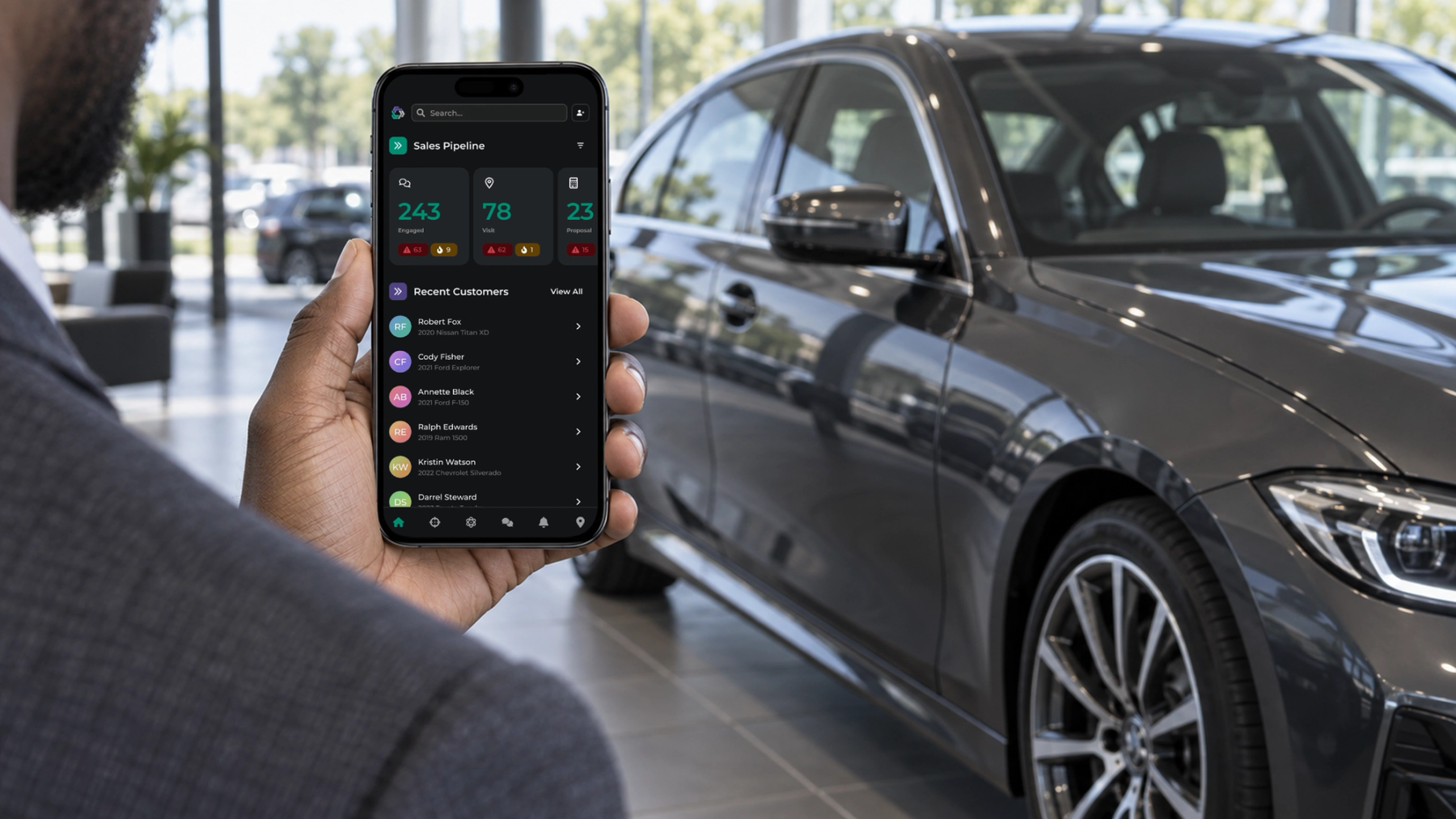
Three screens of the DriveCentric iOS app: My Pipeline as a list of stages with counts, the navigation drawer with Leads, Workplan, Appointments, Recent Customers and Video Library, and a vehicle detail with its photos, price, stock number and VIN.

On the phone

  • The same pipeline, one handThe stages a salesperson reads on the desktop, as a list they can read on the lot.
  • Five places to beLeads, workplan, appointments, recent customers and the video library: the day, not the whole CRM.
  • The car in the handA vehicle’s photos, price and VIN, with a copy button on every line, for the customer standing beside it.

The decision

One decision:every conversation around one customer.

The customer story was scattered.

Sales teams moved between communication channels, customer information, and pipeline views to piece together each relationship.

Connect the conversation.

I designed the Customer Card, a unified Conversation experience, and a visual Sales Pipeline to connect information with action.

Keep the relationship in context.

A cohesive platform brings customer history, communication, and deal progression into the salesperson’s workflow.

Connected moments
  1. Customer
  2. History
  3. Conversation
  4. Vehicle
  5. Pipeline
  6. Deal

The challenge

A new brand overnight, and a product to match.

DriveCentric (formerly DriveVelocity) rebranded overnight. With an existing user base, leadership wanted everything rethought, from the company’s identity to every web and mobile application. The challenge was to establish a new brand fast and carry it into one coherent product.

Brand first, then the application, feature by feature.

I started with market research: competitors, influencers and the target audience. Then the new brand identity: logo, color palette and design language. Then the application, feature by feature, with rapid prototypes and user validation.

  • User interviews and feature prioritization sessions
  • A new brand identity in green and purple, for renewal and creativity
  • The Sales Pipeline dashboard for visual deal tracking
  • The Customer Card: everything about a customer in one place
  • The Conversation feature: every channel in one thread
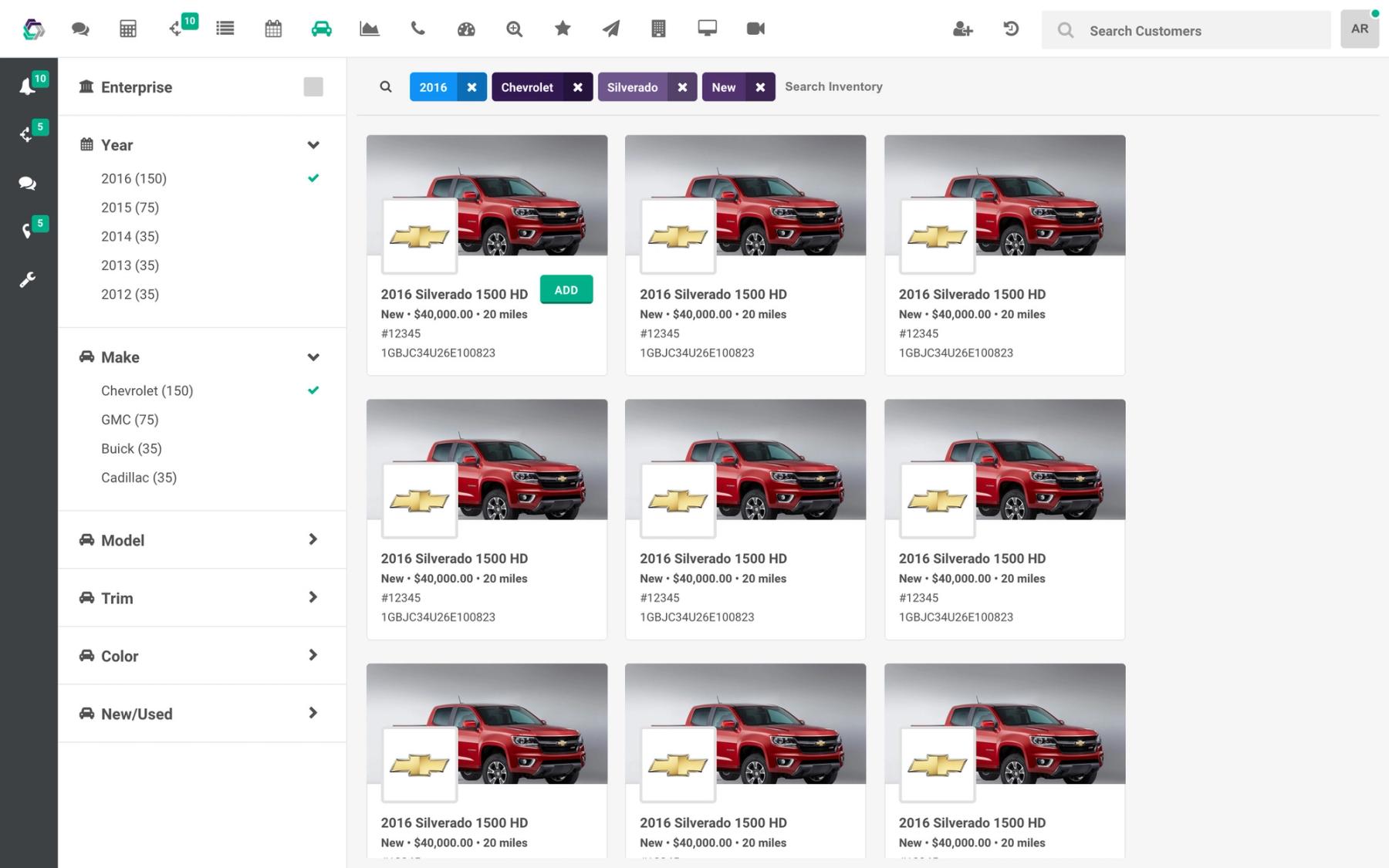
  • Vehicle Card for inventory, and DMS Linking to keep data in sync
What changed

The customer, the conversation and the deal in one place.

Evidence and limits

What salespeople reported.

A salesperson’s day moved from several tools into one place, arranged around one customer. What follows is what shipped, what people said, and what this case doesn’t claim.

  • What shipped

    A new brand identity, and the application redesigned around it: the Sales Pipeline, the Customer Card, one Conversation thread for every channel, the Vehicle Card and DMS Linking.

  • What was observed

    Salespeople reported working far more efficiently, and one conversation tool ended the juggling of separate channels.

  • What this case doesn’t claim

    A measured efficiency gain. The efficiency described above is what salespeople reported at the time, not a measurement.

Looking back

What we built in a short time.

DriveCentric will always hold a special place for me because of what we built in so short a time. I saw how an application could change the way a whole sales floor works. The platform keeps growing.

Another perspective

Phoenix

Every Allegion product looked like it came from a different company.

Explore the project